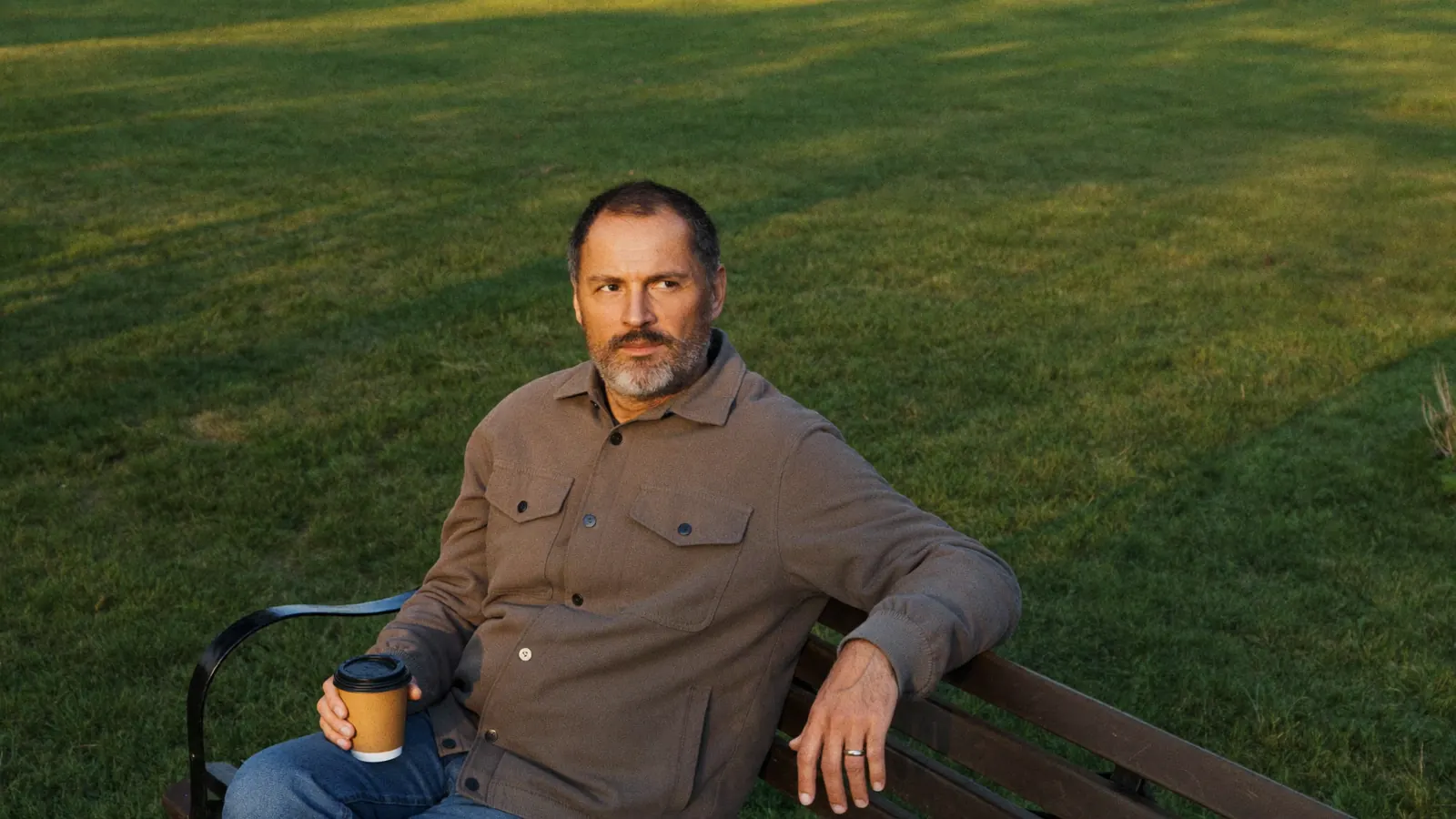
The business that didn’t make it. The exam mark. The relationship that ended anyway, after everything. The diet that collapsed in week six — again. Whatever yours was, you know the after-state: a kind of flat, careful quiet where the drive used to be. People say “get back on the horse” like the problem is finding the horse. The problem is that the last ride cost you something, and some part of you is refusing to pay twice.
That refusal isn’t weakness. It’s your mind doing exactly its job — protecting you from a repeat of something that hurt. The way back isn’t to shout over that protection with quotes and cold showers. It’s to renegotiate with it, properly, so it lets you move again.
What failure actually does to drive
It rewrites the forecast
Motivation is, mechanically, a forecast: effort in, reward out. A big failure teaches the forecaster a brutal lesson — effort in, nothing out, plus pain. So the next time you consider trying something, the forecast comes back “don’t bother”, and you experience that as having no motivation. The forecaster isn’t broken. It’s over-trained on one bad data point.
It attacks the identity, not just the plan
“The launch failed” has a way of becoming “I’m a failure” somewhere between 2am and 3am. Once it’s identity, every new attempt feels like re-opening the verdict — which is why you flinch at the laptop, the gym bag, the dating app. You’re not avoiding the task. You’re avoiding the courtroom.
It isolates
Failure makes people go quiet — you dodge the “how’s the business going?” conversations, skip the catch-ups, pull the walls in. Understandable, and exactly backwards: isolation gives the 2am courtroom more hours to sit, and removes the people who’d remind you the verdict is garbage.
Getting moving again
1. Do the autopsy once, on paper, then close it
One sitting, three questions, written down: What actually happened? What was inside my control, and what wasn’t? What would I do differently? Twenty honest minutes. The 2am version of this loops forever because it’s run by feelings in the dark; the paper version ends, because it produces something — a lesson — and a thing that has produced its lesson can be closed.
2. Separate the verdict from the data
The failure is a fact about one attempt, under those conditions, at that time — it is not a reading on what you’re worth. Every capable person you admire is carrying a stack of these facts; the difference is they filed them as tuition, not as a sentence. If the verdict feeling is loud, what other people think is usually sitting underneath it.
3. Restart smaller than your pride wants
After a failure, your pride wants a comeback — bigger, faster, redemptive. Don’t feed it. The forecaster needs new data points of effort leading to reward, and it needs them quickly and cheaply: a fortnight of training again, one small client, one honest week of the new routine. Small wins are how trust in trying gets rebuilt — the full method is in how to build self-discipline from nothing.
4. Tell one person the honest version
Not the spin. The real one — what happened, what it cost, what you’re trying next. Shame runs on secrecy, and it loses most of its weight the first time the story is said out loud to someone safe. You’ll feel the difference the same day.
If it’s been months
A rough patch after a real loss is normal and takes longer than the quotes pretend. But if months have passed and everything is still flat — sleep off, appetite off, nothing landing anywhere in life — that’s moved past a setback into something your GP should hear about. No shame in that either; engines need mechanics sometimes.
- After failure, your inner forecaster over-learns “effort = pain” — low drive is protection, not weakness.
- Do the autopsy once, on paper, and close it; the 2am version loops forever.
- File the failure as tuition, restart smaller than your pride wants, and stack cheap wins.
- Say the honest version out loud to one person — shame runs on secrecy.
The second attempt is a different animal
Here’s what nobody tells you at the bottom: the second attempt is almost never a rerun of the first. You come to it knowing where the ice is thin, cheaper to run, harder to bluff, carrying the one thing the failure actually bought you — information. The people whose stories you admire aren’t the ones who never went down. They’re the ones who did the autopsy, paid the tuition, and went again, smaller and smarter. That’s available to you. It starts about the size of a fortnight.